
How to Handle Ice-Damaged Trees Without Making It Worse
Winter in Pennsylvania doesn't mess around.
One minute your trees are standing tall, and the next they’re buried under two inches of ice, bending, cracking, and generally looking like they've given up.
When ice storms hit, a lot of well-meaning homeowners panic and rush outside to "fix" things — and end up making it a whole lot worse.
If you want to handle ice-damaged trees the right way (without turning a bad situation into a full-blown disaster), here's exactly what to do — and what NOT to do.

First Rule: Don't Touch Anything Yet
Ice makes everything more fragile and unpredictable:
Branches under tension can snap without warning.
Ice buildup makes trees heavier and weaker.
Cracked or leaning trees can collapse suddenly.
Rule #1: Stay away from damaged trees immediately after an ice storm.
Inspect from a safe distance before making any moves.
If power lines are involved, call 911 and your utility company. Full stop.
What Ice Does to Trees
Understanding how ice damages trees can help you react smarter:
Weight Overload: Ice adds huge weight, pulling limbs downward.
Bending and Splitting: Flexible trees bend; brittle ones snap.
Root Damage: In extreme cases, entire trees can uproot when the weight exceeds what frozen ground can hold.
Even trees that "look okay" immediately after a storm can fail days or weeks later.

Immediate Steps After an Ice Storm
Assess From a Distance: Look for leaning trunks, split branches, or heavy sagging.
Prioritize Safety: Anything hanging over houses, driveways, or sidewalks is urgent.
Document Damage: Photos help with insurance claims if property is impacted.
Call an Emergency Tree Service: If major limbs or whole trees are compromised, call professionals immediately.
Trying to "DIY" heavy limb removal in icy conditions is like playing dodgeball with wrecking balls.
What NOT to Do After Ice Storm Damage
1. Don't Shake or Hit Ice-Covered Branches
Shaking stresses the wood.
Ice may be holding damaged branches together.
Sudden movement can cause dangerous breaks.
Let ice melt naturally — or call for professional help if weight poses an immediate risk.
2. Don't Climb Trees or Ladders
Icy surfaces = slip-and-fall hazards.
Even "solid" branches may snap under minimal weight.
Falls from icy trees are one-way tickets to the ER.
3. Don't Prune Large Branches Yourself
Heavy ice-covered limbs behave unpredictably.
Cutting the wrong spot can shift weight dangerously.
Chainsaws and unstable trees are a lethal mix.
Leave large pruning to certified arborists with proper rigging and safety equipment.

How Professionals Handle Ice-Damaged Trees
When you call in experts like Precision Tree Experts, here's what happens:
Stabilization: Bracing, cabling, or strategic cuts to prevent collapse.
Safe Removal: Cutting and lowering heavy limbs without additional property damage.
Damage Assessment: Checking for hidden cracks, root issues, or canopy imbalances.
Recovery Plan: Advice on what trees can be saved vs. what needs removal.
Having pros on-site protects your property — and your life.
FAQs About Ice-Damaged Trees
How long does it take for ice to naturally melt off trees?
Depends on temperature swings. In Pennsylvania, it can take a few hours to several days.
Should I wrap or cover my trees before a storm?
Generally, no. Wrapping can trap moisture and cause more harm than good.
Can a bent tree recover after an ice storm?
Sometimes. Young flexible trees often bounce back, but severe bending or cracking usually means permanent damage.
Is it safe to trim a tree immediately after an ice storm?
Only small branches at ground level. Major pruning should be done by professionals after conditions stabilize.
Will insurance cover ice storm tree damage?
If the tree damages insured property (house, garage, etc.), most homeowners policies provide coverage.
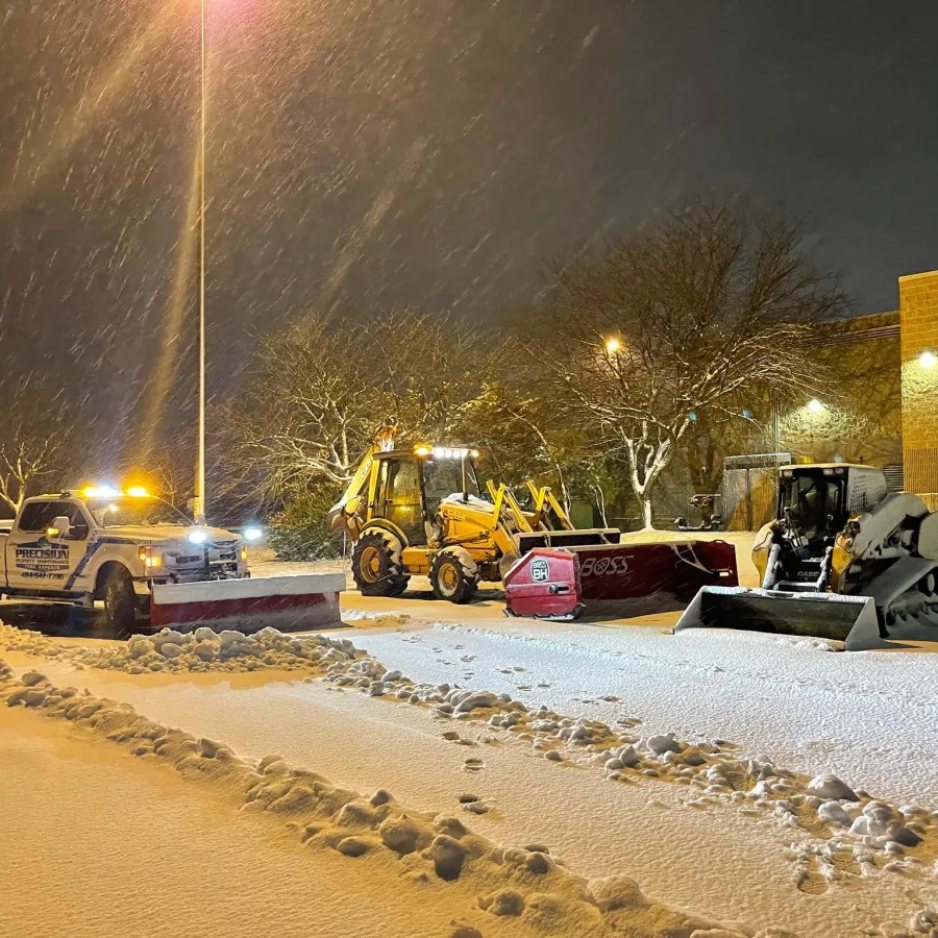
Signs You Need Immediate Emergency Tree Service
Tree leaning suddenly
Large cracks in trunk or major limbs
Branches hanging dangerously over structures
Uprooted trees
Branches tangled in utility lines
When in doubt, call for an inspection. Waiting can turn minor damage into major disaster.
Conclusion: Be Smart, Stay Safe, Trust the Experts
Ice storms are tough on trees — and even tougher on homeowners trying to "help" without the right tools or training.
After an ice storm, patience and professional help are your best moves. Don’t shake, climb, or saw without understanding the risks. Protect yourself, your family, and your property by letting trained arborists handle the heavy lifting.
Dealing with ice-damaged trees this winter?
Visit Precision Tree Experts to schedule an emergency inspection and safe removal service today!